
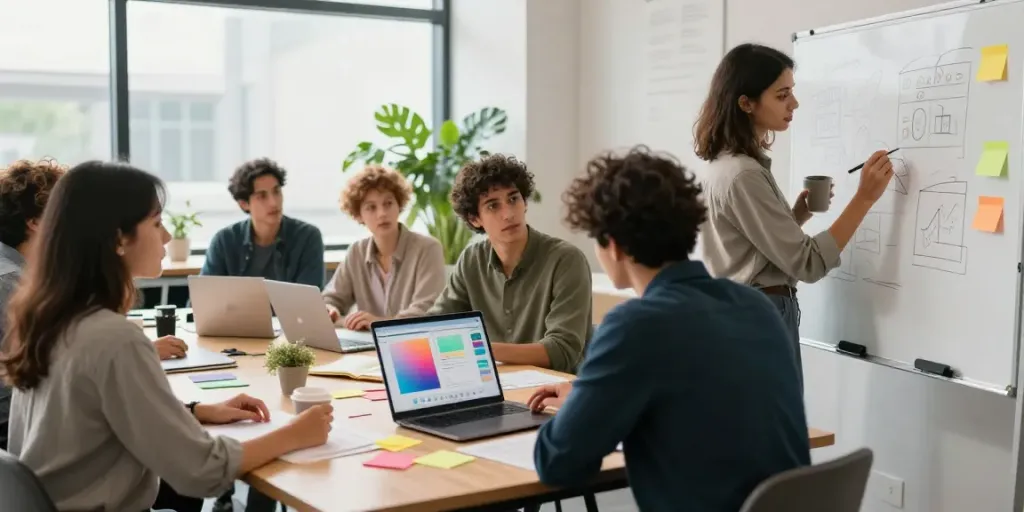
Understanding the Importance of Collaboration Here.
In an increasingly interconnected world, the need for effective collaboration within organizations has never been more critical. As remote work becomes the norm and teams span across geographical boundaries, understanding the nuances of teamwork is essential for success. This article delves into the significance of collaboration, sheds light on common misconceptions, and explores practical strategies to enhance team dynamics. For organizations looking to maximize their collaborative efforts, here. are insights that can help pave the way for effective teamwork.
Defining Collaboration in the Modern Workplace
Collaboration in the modern workplace refers to the process of individuals working together to achieve shared goals. It involves leveraging diverse skills, perspectives, and experiences to foster innovation and drive productivity. With advancements in technology, collaboration has evolved from traditional in-person meetings to virtual environments, allowing teams to engage in real-time, regardless of their location. Effective collaboration not only promotes creativity but also enhances the overall efficiency of an organization.
Common Misconceptions About Team Collaboration
Despite its importance, many organizations harbor misconceptions about collaboration. One prevalent myth is that collaboration is merely about communication. While communication is a vital component, true collaboration requires a commitment to working together towards a common goal, trust among team members, and a willingness to share knowledge and resources.
- Myth 1: Collaboration is only necessary for large projects.
- Myth 2: Collaboration slows down progress.
- Myth 3: Only certain roles require collaborative skills.
Understanding these misconceptions is crucial for leaders and team members alike, as it lays the foundation for fostering a collaborative culture.
User Intent: Why Collaboration Matters Here.
Collaboration is essential for addressing complex challenges that no single individual can solve alone. In a fast-paced business environment, teams that can collaborate effectively are better equipped to adapt to changes, innovate, and remain competitive. When individuals share their expertise and insights, solutions emerge that are greater than the sum of their parts. Thus, prioritizing collaboration can lead to enhanced problem-solving and overall organizational health.
Challenges Faced When Collaborating Here.
No collaboration is without its challenges. Many teams encounter obstacles that hinder effective teamwork, from communication breakdowns to conflicting priorities. Understanding these challenges is the first step to overcoming them.
Identifying Common Obstacles in Teams
Common obstacles to collaboration include:
- Lack of Clarity: Unclear roles and responsibilities can lead to confusion.
- Technology Barriers: Inadequate tools can impede efficient communication and information sharing.
- Time Constraints: Tight deadlines often reduce opportunities for collaboration.
Identifying these obstacles is the first step in developing strategies to address them, ensuring that teams can collaborate more effectively.
Overcoming Communication Barriers
Effective communication is the backbone of collaboration. To enhance communication, teams can implement regular check-ins, use collaborative tools, and establish clear communication protocols. Encouraging an open environment where team members feel comfortable voicing their ideas and concerns can also significantly improve collaborative efforts.
Recognizing and Addressing Conflicts Efficiently
Conflicts are a natural part of team dynamics, but how they are managed can make all the difference. Teams should focus on recognizing conflicts early and addressing them directly. Utilizing conflict resolution strategies, such as mediation and focused discussions, can help turn potential disputes into productive conversations that strengthen relationships.
Best Practices for Effective Collaboration Here.
To foster an environment where collaboration thrives, organizations can adopt several best practices that enhance teamwork and productivity.
Tools and Technologies to Enhance Teamwork
Leveraging the right tools can significantly improve collaboration. Platforms such as Slack, Microsoft Teams, and Trello facilitate communication and project management, enabling teams to work efficiently together. Choosing tools that suit the specific needs of the team and providing adequate training can empower team members to use these resources effectively.
Strategies for Fostering a Collaborative Culture
Creating a collaborative culture requires intentional effort. Organizations should promote values that prioritize teamwork, such as trust, respect, and shared goals. Encouraging team-building exercises and recognizing collaborative achievements can strengthen relationships and promote a sense of belonging.
Time Management Techniques for Teams
Effective time management is crucial for collaboration. Teams can employ techniques such as time-blocking and the Pomodoro technique to enhance productivity while allowing for collaborative sessions. By balancing individual tasks with collective work, teams can ensure that collaboration does not become a strain on time.
Real-World Examples of Successful Collaboration Here.
Learning from real-world examples can provide valuable insights into effective collaboration. Case studies from various industries illustrate how collaboration has transformed organizations.
Case Study: A Business That Transformed Through Team Collaboration
Consider the example of a leading tech company that faced declining productivity. By implementing a collaborative culture and adopting new communication tools, the organization saw a remarkable turnaround. Through regular brainstorming sessions and cross-departmental initiatives, they fostered innovation and improved morale, leading to increased profits and employee satisfaction.
Lessons Learned from Industry Leaders on Collaboration
Industry leaders emphasize the importance of collaboration, noting that diverse teams lead to richer ideas and more effective problem-solving. Companies like Google have shown that empowering employees to collaborate fosters creativity and innovation, giving them a competitive edge.
Impact of Successful Collaboration on Business Outcomes
Successful collaboration directly impacts business outcomes, leading to improved efficiency, faster project completion, and reduced costs. Organizations that prioritize collaboration often experience higher employee engagement and satisfaction, which in turn enhances retention and attracts talent.
Future Trends in Collaboration Here: What to Expect in 2026
As we look ahead to 2026, several trends are set to shape the future of collaboration in the workplace.
The Rise of Remote Collaboration Tools and Trends
The shift towards remote work has accelerated the development of advanced collaboration tools. Expect a surge in platforms that integrate AI and machine learning to facilitate seamless communication and project management. These tools will likely enhance virtual collaboration, making it more intuitive and efficient.
Predictions for Team Dynamics in Future Work Environments
Future team dynamics will likely emphasize flexibility and autonomy. Organizations may adopt hybrid models that blend remote and in-person work, encouraging teams to collaborate in the most effective ways. This flexibility can help attract a diverse talent pool and promote work-life balance.
How AI and Automation Will Shape Collaboration Strategies
AI and automation will play crucial roles in shaping collaboration strategies. By automating repetitive tasks, teams can focus on high-value collaborative efforts, thus enhancing productivity. Tools that analyze team interactions will help optimize workflows, ensuring that collaboration is more targeted and efficient.
What Are the Key Skills Teams Will Need Moving Forward?
To thrive in the future workforce, teams will require a blend of technical and soft skills. Key skills will include adaptability, emotional intelligence, and digital literacy. Training programs that focus on developing these skills will be essential for fostering effective collaboration in increasingly complex work environments.